1. Safety and scope
The team explains what it can handle and which parts, like testing a site where drugs were made, need a different plan.
St. Stephen, SC · Berkeley County
Worried about what a few pipes and baggies might have left on the floors and furniture? Call (877) 812-4220 in St. Stephen. Cleanup crews remove the items and treat surfaces where residue may remain.
If anyone is in danger, call 911 first. For a suicide crisis, call or text 988.
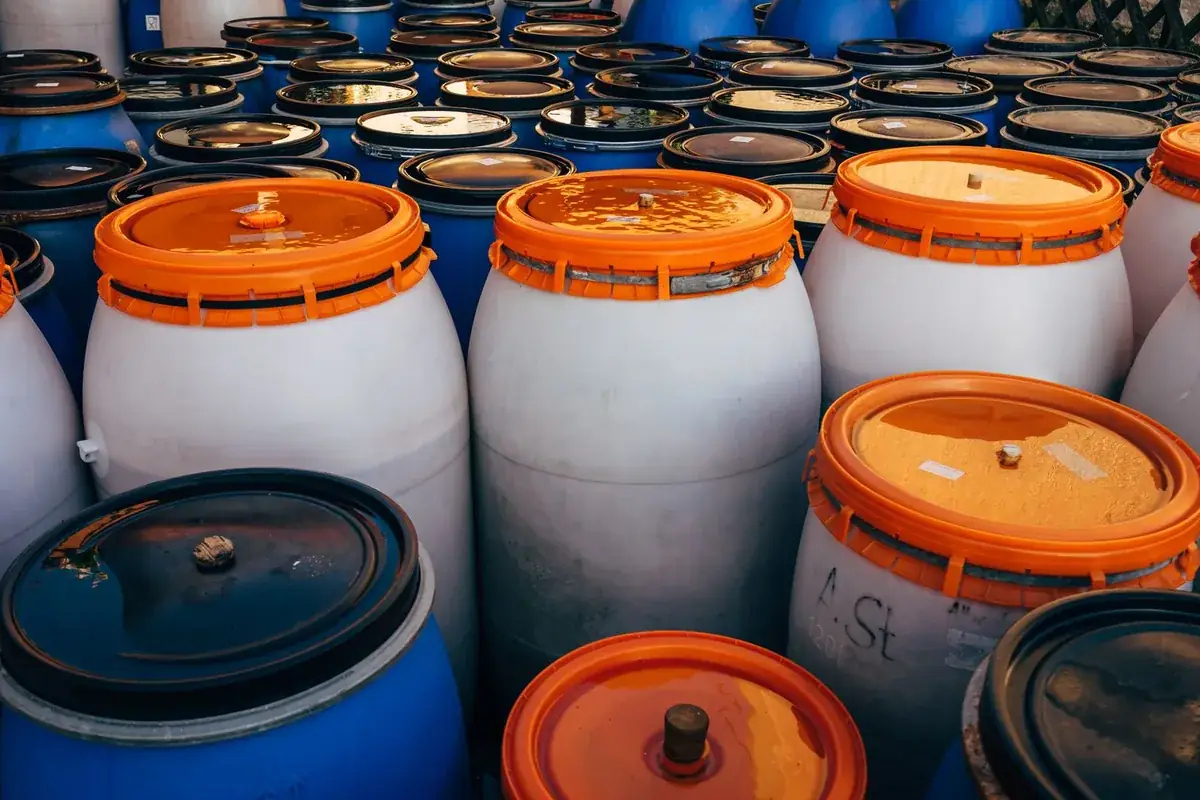
Cleaning a space after drug use can include removal of bedding, carpet or upholstery that took in residue, along with disinfection of hard surfaces and treatment of odor.
You can get drug paraphernalia cleanup in St. Stephen and throughout Berkeley County by calling St. Stephen Biohazard Cleanup Help. Cleanup technicians follow the OSHA Bloodborne Pathogens Standard, 29 CFR 1910.1030, when sharps are involved.
Renters make up about 41% of households in St. Stephen, so landlords often need paraphernalia cleared between tenants. If anyone is unresponsive or hurt, call 911. The nearest emergency room to St. Stephen is Mcleod Health Clarendon in Manning, about 24 miles away.
What drug paraphernalia cleanup covers:
The team explains what it can handle and which parts, like testing a site where drugs were made, need a different plan.
Crews put on gloves, eye protection and respirators when needed, then search every room for sharps and other items.
Hospital-grade disinfectants go on hard surfaces. Odor treatment follows for lingering smells.
Surfaces are disinfected, odors are treated, and a last walk-through confirms the space is ready.
The cost of drug paraphernalia cleanup in St. Stephen, SC depends on the amount of material, how it is packed and how it is hauled.
Disposal of sharps and contaminated materials as regulated waste is part of the price, and it changes with the amount.
| Type of job | Typical range |
|---|
Figures are planning ranges from , not a price for any specific St. Stephen property. Price drivers include amount of material, whether residue is present, surfaces affected, waste disposal. Call (877) 812-4220 any hour.
Police and the city do not usually clean the space afterward. The owner or the family books the cleanup once the scene is released. A cleanup team can work after the release and explain the steps. Ask the agency when the space is cleared.
It can. Powders and stains may stay on floors, furniture, bedding and in vents after the items are gone. That is why a team cleans and disinfects the surfaces and removes soft materials that cannot be cleaned. Ask what the plan covers.
No. Drug paraphernalia cleanup removes used items and cleans surfaces. A site where drugs were made is a different job with its own testing and clearance steps. If you think drugs were made in the home, say so when you call.
Crews wear protective gear, remove sharps and loose items, and then clean hard surfaces with EPA-registered disinfectants. Porous materials such as carpet, padding or upholstery that took in residue may be removed. The team can explain what applies to your space.
Do not touch, sweep or smell it, and do not try to clean it up first. Keep children and pets away. If anyone touched or swallowed it, call Poison Control, or 911 in an emergency. Then call a cleanup team to remove it safely.
In many cases the person who calls does not need to be at the property. Ask the team how access and keys can be arranged. If you are out of town, say so when you call. Many teams can arrive in an unmarked vehicle.
Describe what you found and ask how removal and cleaning would work.
Call (877) 812-4220